Editor’s Note: The Military Times reported Feb. 19 that “The Department of Veterans Affairs has retreated from enforcing a controversial regulation it rolled out Tuesday that required medical examiners to factor in the effects of medication when weighing disability ratings decisions.”
Every veteran knows the phrase. It gets said in grocery stores, at ball games, on campaign stages. “Thank you for your service.” But what does that gratitude mean when the same system that praises us publicly turns around and debates whether our injuries are still worthy of support?
Recent discussion around a proposed VA rule tied to disability compensation has reignited a painful truth many veterans already know: our service is often treated like a political talking point instead of a lifelong commitment our country made to us. A policy that allows disability ratings to shrink simply because a veteran follows treatment or manages symptoms reframes recovery as a reason to pay them less. Instead of recognizing the daily work it takes to live with service-connected conditions, responsibility is quietly pushed back onto the veteran.
This is not just a veterans’ issue. It is a working-class issue.
Military personnel come overwhelmingly from working families. We sign contracts, follow orders, and build our lives around promises made by institutions far larger than ourselves. Factory workers, warehouse workers, nurses, construction crews, and teachers know that same reality. We are told that if we sacrifice, if we endure, if we produce, the system will hold up its end of the bargain. Too often, years later, the rules change.
Veterans understand betrayal in a very specific way. We were told certain exposures were safe. We were told certain missions mattered. We were told certain benefits were guaranteed. Then decades later, studies surface, policies shift, and suddenly our conditions are “under review.” It forces veterans to relive the same fight again and again just to prove what should have been acknowledged from the beginning.
That hypocrisy cannot be ignored. A country cannot celebrate service members at halftime ceremonies while quietly debating whether their disabilities still qualify as disabilities. Gratitude without accountability is just performance.
The deeper issue is power. Decisions affecting millions of veterans are often made far from the communities that actually live with the consequences. Policies move forward through technical language and expedited processes that leave many feeling shut out of the conversation entirely. Veterans are not statistics. We are parents, workers, neighbors, organizers, and leaders whose health and stability ripple into entire communities as we in Colorado Springs know all too well.
And here is the truth that may make some people uncomfortable: veterans are not separate from the broader working class. We are part of it. When benefits are weakened or questioned, it signals to every laborer that promises made to them can be reinterpreted later. Today it may be disability ratings. Tomorrow it may be pensions, healthcare, or workplace protections.
So what does action look like?
First, veterans must stand shoulder to shoulder with one another regardless of branch, era, or politics. The system benefits when we are divided by party lines or identity labels. Advocacy organizations, local chapters, and grassroots groups must push for transparency and demand that veterans’ voices are included before decisions are finalized, not after damage is done. We have to make sure our local and state governments are working to represent us correctly. I’ll meet you all at the Capitol building — peacefully, lawfully, and together, so our presence speaks louder than any headline ever could.
Second, civilians need to recognize that supporting veterans means more than symbolic appreciation. It means paying attention when policies threaten the stability of families who already gave years of their lives in service. The same system that debates veterans’ benefits is the one shaping labor rights, healthcare access, and economic mobility for everyone else.
Finally, we have to reclaim our own narrative. Veterans are not pawns to be used in speeches or campaign ads. We need to get informed, get organized, and be capable of advocating for ourselves and our communities. Real patriotism is not blind loyalty to government; it is holding the country accountable to the values it claims to represent and made us fight for.
If the nation truly values service, then it must honor its promises – not only in words, but in policy, in practice, and in respect for the people who carried the weight long after we made our choice to serve. Maybe it is time for this generation of veterans to stand in front of the government we swore to defend and demand accountability – with discipline, clarity, and unity. I will stand with any veteran ready to show up, be heard, and push for the promises made to us to finally be kept.
More references:
Legion disagrees with new VA rule on medication | The American Legion
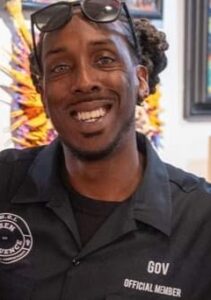
Shaun Walls served over two decades in the U.S. Army, a combat veteran leading soldiers and learning the value of action over words. He is a Pikes Peak Bulletin board member and is not compensated for his writing.