This is part two in a two-part series. Part one is an interview with Colorado Springs Mayor Yemi Mobolade and his new chief of staff, Wayne Williams, on working together and building coalitions.
Plenty of people have opinions on Colorado Springs Mayor Yemi Mobolade picking Wayne Williams, his former rival in the 2023 mayoral election, to be his chief of staff. Many just didn’t want to speak on the record. However, the statements below are a representative sampling of the most common takes on the Mobolade-Williams pair up.
City council member Nancy Henjum took a positive view.
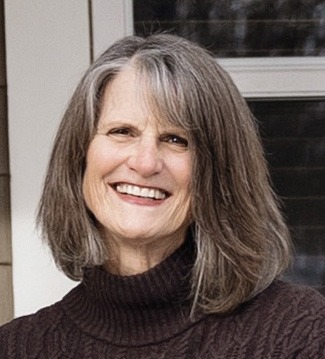
“I am looking forward to working with Wayne Williams as the chief of staff,” she said. “We have some very significant challenges to lead through in the city right now and Wayne brings with him a commitment to efficient and effective government. Having served with Wayne on City Council for two years, I have a good sense of his integrity and approach to civil service. I believe he will bring a useful perspective and skillset to the administrative function.”
She added, “I find the different interpretations of why Mayor Yemi chose Mr. Williams as Chief of Staff to be as much a reflection of the person with the opinion as it might reflect what will happen. I just want to stay focused on serving the people of Colorado Springs and work on behalf of what is best for the city.”
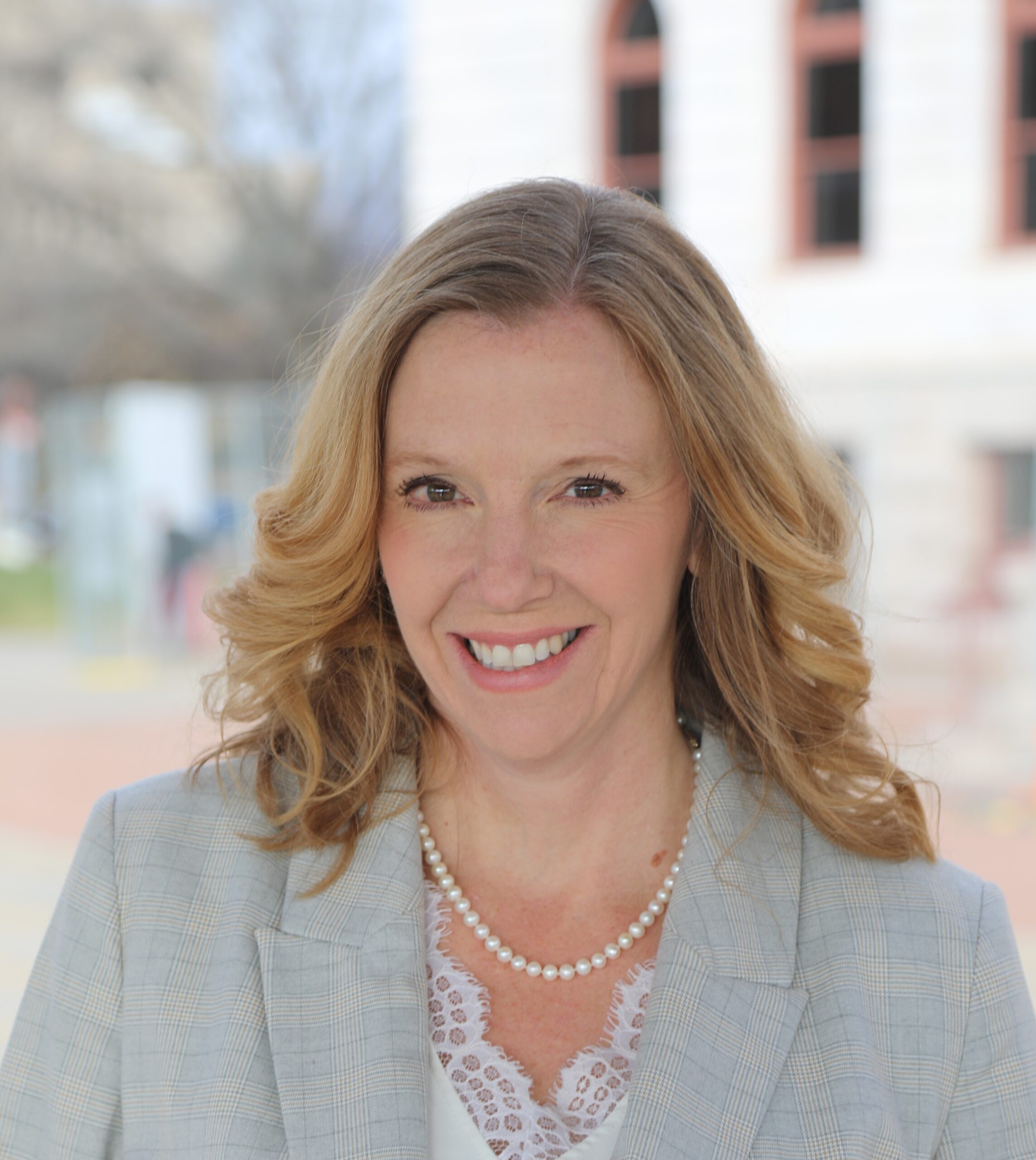
Mobolade’s former chief of staff, Jamie Fabos, said she thinks it can work well so long as the focus remains on the “real work” of serving the community.
“I’ve known Wayne for many years – a decade, perhaps – and I wish him success in the role,” she said. “At its core, the role is about supporting and empowering city staff: creating clarity, removing obstacles, and fostering an environment where they can do their jobs well. There is always a risk in roles like this that energy can drift toward political maneuvering or performative actions that ultimately distract from the real work. The priority must remain steady – serving the city with integrity, focusing on outcomes, and ensuring that decisions are grounded in what is best for the community. If that focus is maintained, this role can have a lasting, positive impact on city operations, and more importantly, on the people who call this place home.”
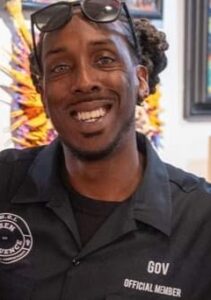
Southside Colorado Springs advocate Shaun Walls expressed a deep skepticism about the pair up, citing Williams’ ties to “the same political and development networks that have shaped this city for years.” [Walls is a Bulletin board member, but his opinion is only his own. – ed]
“Those [political and development] relationships matter because … They show up in how land gets rezoned, which projects get fast-tracked, and who benefits from tax incentives and public-private partnerships. They show up when developers ask for higher density approvals, reduced requirements, or infrastructure support, and the City has to decide whether to prioritize long-term community impact or short-term growth.”
Walls noted a perceived discrepancy between the treatment given to local power players versus other residents under the status quo.
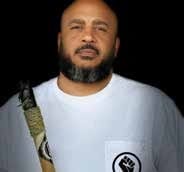
“When you’re a major donor or a well-connected developer, your call gets returned, your meetings get scheduled, and your projects get attention. Meanwhile, regular people are showing up to public comment for two minutes at a microphone, hoping someone is listening,” he said.
He added, “So when someone like Wayne Williams gets brought into the inner circle of Yemi Mobolade’s office, it’s not just about qualifications, it’s about reinforcing a system where access and influence already lean in one direction.”