Editor’s note: This opinion piece is in response to our July 20 article “Boosting Southside turnout key to flipping seats, Dem leaders say.”
Why do working-class voters in Southeast Colorado Springs – often referred to as the Southside – choose not to vote?
Consider the district’s realities: it lacks a hospital, contains a recognized food desert, features several of the city’s most dangerous intersections, and even faces microclimate challenges, registering warmer temperatures than neighboring areas. To top it off, there is a painful history of injustice suffered by residents at the hands of local law enforcement. So why not vote to change things, especially when polls show that residents overwhelmingly “believe” in the importance of local elections?
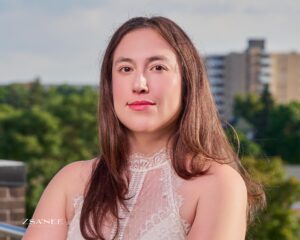
As the author of “Manifestations of the 21st Century” and host of The Concerned Citizen Podcast (sponsored by #WeAreStillNeighbors and the Robin Hood Initiative) – my answer comes down to semantics and spirituality.
The people “believe” in the local political system and its power over their community, but they lack faith in the system and its candidates. What is the difference between belief and faith? Belief is an intellectual recognition or mental acceptance – people accept that the system exists and functions. Faith, on the other hand, is far deeper; it is rooted in trust and acts as a call to action. While Southside residents may “believe” their vote counts on paper, they have no faith that it will deliver tangible results. That lack of faith is precisely why the call to vote goes unanswered.
Secondly, organizers and candidates lack “magic” in their sauce. By magic, I mean the faith in unseen forces working upon seen forces – a moral authority and deep spiritual conviction that historically powered civil rights movements across the American South. It is the invisible force of genuine love, shared risk, and spiritual solidarity that transforms passive belief into courageous action. This observation stems from my study of American history while growing up and traveling through the South, as well as my firsthand experiences with the local system. To be clear, elected officials are representatives tasked with navigating a system whose inner workings remain largely unseen by the public. Historically and philosophically, there is a deep connection linking the people, government, and a higher power.
The organizers on the Southside currently lack that magic in their message. There needs to be a source of power and inspiration in their message that people can draw from. Asking residents to just believe with a single vote they confront a longstanding, overwhelming system, one that has left their district without healthcare, starved of healthy food, and fraught with systemic injustice, is a heavy task. Expecting someone to work all day, navigate a rising cost of living, and then risk standing up to perceived hostile forces such as local police, or federal agencies like ICE and Homeland Security while facing potential incarceration, deportation, or violence just by getting involved is what is truly being called for.
Voting is both the first and final step toward a better community, but between them lies a journey of civic engagement and occasional civil disobedience. This journey must be articulated through a vision people can see themselves. A vision where they realize voting is just one part of a grander effort to bring change to their district. The desire to see this vision manifested is what ultimately gives the people that faith to take the first step: to vote. This collective vision is the magic missing from the message and a lack of power source to magnify and amplify it.
There is currently no collective source of power and love for organizers to draw from to instill true faith – a faith that moves people beyond passive belief into active participation. Taking action requires trust, and Democratic organizers and candidates have not earned that trust. They have yet to convince the community that they can protect residents, their loved ones, and their livelihoods, or that they are driven by a power capable of delivering real change within an entrenched system.
This brings us to the concept of political theater. The average person on the Southside views political candidates and elections as staged performances for votes – a poor show that yields even poorer results. There is no magic in the candidates’ words to catch fire and inspire hope. There is no charismatic leader propelled by a higher purpose to serve as a true voice for the people in the face of deep opposition.
In speaking with various organizers, candidates, and campaign teams, the consensus is always that power resides in “the people.” Yet, they lack a shared consensus on the actual source of that power. Does the power lay in numbers, or is their power bestowed in people by a creator? Is this a world created for justice, where people can be endowed with power to make change in the face of injustice. Or does the power lay in the number of people needed to bring about chaos as a means of change? Are there divine forces at work, or is this strictly a world controlled by the actions of people? This disconnect trickles down into an inability to ignite the electorate.
Without a connection to a deeper, transformative force – one that promises health, abundance, safety, and justice – the Democratic Party will continue to struggle. Until voters are given a reason to have faith that their ballots carry true power, they will remain at home.