
Colorado Springs City Council voted Tuesday to divide the $1.4 million that the City expects to reap from taxes on recreational marijuana sales between the Clean & Safe pilot program, which will target public safety, homelessness and cleanliness in the downtown area, and treatment programs for veterans with post-traumatic stress disorder, or PTSD.
But the resolution, which passed narrowly, shut out funding for the police and fire departments, drawing criticism from some councilors.
The marijuana money has become “a political football” that’s led to public bickering between City Council and the office of Mayor Yemi Mobolade, Councilor Nancy Henjum (D5) said.
“We’re not putting the city first,” she said.
Councilor Dave Donelson (D1) questioned the decision “to give this money to nonprofits or organizations that aren’t part of the city government when we can’t pay our own bills,” amid Colorado Springs’ $11-million budget shortfall.
“We need to be focused on the core functions of municipal government,” he said. “Of the three things that we’re allowed to put this money towards, the one that’s a core function of city government is public safety.”
When voters passed a citizens’ initiative in November that allowed rec sales in Colorado Springs, they specified that the money should go to public safety, mental health services, and treatments for veterans with PTSD.
Council, which had its own question on the November ballot calling for a ban on rec sales in the city, tried to hold a new vote on the issue during the April municipal elections, but was sued by the marijuana industry and lost. Since rec sales began in Colorado Springs in April, Council has debated at least five times how the money generated by the tax on rec should be disbursed, according to a tally by the Pikes Peak Bulletin.
It was not clear why the money was not disbursed to all three “buckets” specified by voters in November, but Henjum said there was no mandate to do so.
Reversal of voter decision?

Alarms sounded in Henjum’s head when Councilor Brandy Williams referred to rec money as possible “one-time funds” that should be spent on short-term projects.
“I don’t think it’s prudent to spend what could be one-time funds on ongoing aspects of the budget. This is a way to spend one-time funds and, definitely for Clean & Safe because it’s a pilot program, it’s a one-time payment,” Williams said.
“The only way this becomes one-time money is if there’s a (new) ballot initiative to reverse the decision of the voters,” Henjum said.
“There are probably initiatives and efforts happening to reverse the decision of voters last November, and there’s probably not a desire to become dependent on this revenue in Colorado Springs and perhaps face what Manitou is facing right now,” she said.
Manitou Springs is looking at a $4.3 million budget shortfall next year, largely caused by the sharp drop in marijuana tax revenues since rec sales began in Colorado Springs four months ago. To try to fill the money gap, Manitou City Council early this month approved an ordinance to ask voters in the city’s Nov. 4 election to increase excise tax on ticket sales and admission fees. A second reading of that ordinance and a public hearing will be held on Aug. 19.
Last month, after councilors voted 6-3 to override Mobolade’s veto of the ordinance that set up a grant application system and “buckets” to which the projected $1.4 million from marijuana sales would be allocated, Henjum slammed Colorado Springs City Council for ignoring voters and the marijuana industry, which is “bringing this revenue into the city.”
On Tuesday, Henjum said that while the Council has the right to “go back to the voters and reverse the decision” to allow rec sales in Colorado Springs, “I think we heard loudly and clearly from the public this year that they were not very happy with the position we took on marijuana.”
But ultimately, she noted, under City rules, Mobolade decides how to disburse the funds.
“So, why wouldn’t we want to sit down and collaborate and find some compromises?” she asked her fellow councilors.
Political posturing
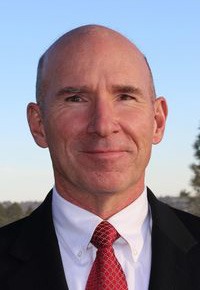
Donelson, who with Henjum, Kimberly Gold (D4) and David Leinweber (At-large) voted against the resolution, agreed “that this is more like posturing and political signaling.”
“We’re trying to exert power that we really don’t have, and it’s counterproductive,” he told the Pikes Peak Bulletin.
“This is a resolution … It’s a recommendation to the mayor. We could have just looked over it and said, ‘We recommend this.’”
Although expanding PTSD treatment for veterans and cleaning up downtown are noble goals, neither is a core function of a municipal government, Donelson said.
However, public safety is, he said.
“PTSD treatment for veterans is not the thing everybody is going to be upset about if we fall behind on it,” he told the Bulletin.
“Police response times are.
“Honestly, I think (the marijuana tax money) should go to our CSPD,” Donelson said.
“They have things they can and should do to help all the citizens in our city, not just the downtown area.”
Councilor Williams and City Council leadership have been contacted for comment. This story will be updated when they respond.
Please consider making a donation to our nonprofit newsroom.
Sign up for our free weekly newsletter!