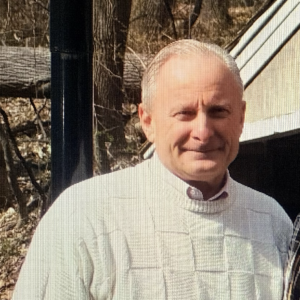
Kimberly Gold serves on the Colorado Springs City Council representing District 4.
When I ran for city council, I knew I was running to be part of the legislative body of Colorado Springs. “Legislative” was government jargon, but I understood what it meant. The term I didn’t know – and didn’t know how important it was to our government processes – was “quasi-judicial.”
When I first heard that word, quasi-judicial, it sounded like legalese. But now I understand how large of a role it plays in the way we make decisions as a city council. Because of its significance, I think it’s really important that everyone has an understanding of what quasi-judicial means.
“Quasi” basically means “resembling.” So, when the Colorado Springs City Council sits in a quasi-judicial capacity, it means we are legally required to stop acting like politicians and start acting like a panel of judges. Instead of debating political opinions or changing citywide laws, we are applying the rules we already have on the books to one specific property request – like a rezoning, a variance, or an appeal of a data center.
Because we are acting like judges, the rules we have to follow are different from when we hear legislative matters, and this is where it can get frustrating for residents. In a legislative hearing, we welcome comments to hear your personal thoughts, feelings, and general preferences. But in a quasi-judicial hearing, I am strictly forbidden from talking to you about these cases outside of the official public hearing.
Discussing quasi-judicial items outside of the hearing is called ex-parte communication. Just like a judge in a courtroom can’t have a private dinner with one side of a lawsuit, I cannot take your phone calls, answer emails, or grab coffee to discuss a pending quasi-judicial matter. Every single piece of information, argument, and evidence has to be presented out in the open, on the record, during the scheduled public meeting so that everyone gets a completely fair and transparent hearing.
That said, I do want people to know that as a councilmember, I have received hundreds of emails about the Project Taurus data center. I have an entire folder dedicated to it. Because my vote is important to me and I do not want to recuse myself from the public hearing, I will refrain from having discussions via email, phone call, text, social media, or any other means.
I hope this helps you better understand the process and why we cannot have discussions regarding quasi-judicial matters like Project Taurus. As an elected public servant, my actions (in person and online) are monitored, and that’s totally fine as this is one of the ways we develop trust with people. I hope you understand by my above explanation why I won’t be replying to any comments on this op-ed or other types of engagement regarding quasi-judicial matters.
I also hope this was informative and I truly thank everyone for their high levels of engagement in local government. Don’t forget to vote in the midterm election, the April municipal election, and every election.
If you’re feeling supper froggy – run for office. There are three at-large city council positions and the District 2 seat to run for, and mayor!